

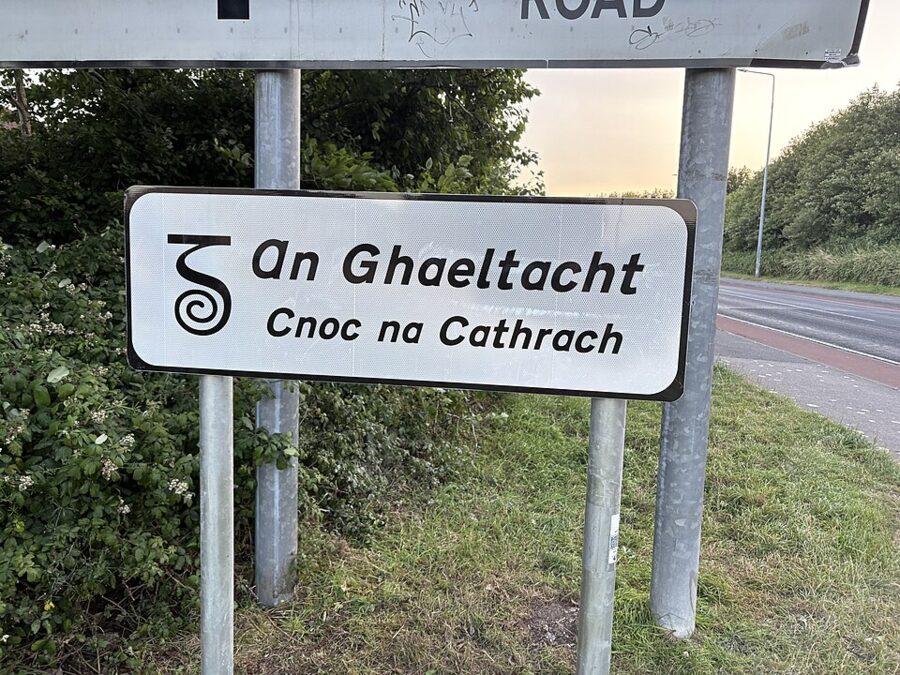
The Gaeltacht begins inside Galway city. On a road through the housing estates of Knocknacarra a white sign reads An Ghaeltacht, Cnoc na Cathrach, and from there west every village name on a road sign is in Irish only. In that first stretch, about one person in ten who can speak Irish uses it every day. Fifty kilometres on, over the causeways into the islands of Ceantar na nOileán, it is seven in ten.
That gap is the Connemara Gaeltacht (Gaeltacht Chonamara) in two numbers. It runs along the north shore of Galway Bay from the city’s western suburbs through Bearna, An Spidéal and Indreabhán, turns into the bays and causeways of the south Connemara coast at Casla, and ends among the granite headlands of Carna and Iorras Aithneach. It is the largest Irish-speaking district in the country, and the one where Irish is most often the language of the shop, the pier and the football pitch.
It is also a place you can drive through in an hour and a half without hearing a word of it, if you stay in the car. Hearing it is mostly a matter of where you stop, and how long.


On this page7 sections
Where the Gaeltacht is, and who drew the line
From the 1926 commission to the 1956 map
In 1925 the new Irish Free State set up Coimisiún na Gaeltachta to find out where Irish was still spoken. Its report the next year counted any district where at least 80% of people spoke Irish as Fíor-Ghaeltacht, the true Gaeltacht, and gave a partial status, Breac-Ghaeltacht, to places down to 25%. The boundaries were loose, and they took in parts of seven counties, Clare among them.
Thirty years later the state drew the line properly. The 1956 legislation that created a Department and a Minister for the Gaeltacht allowed districts to be designated by electoral division and townland, and the Gaeltacht Areas Order that followed dropped Clare and much of the 1926 map where Irish had already gone. The Galway Gaeltacht of today is essentially that 1956 map.
It was drawn by where Irish was spoken then. Nobody has redrawn it since by where it is spoken now, which is the root of most arguments you will hear about the Gaeltacht.

The 2012 Act and the Language Planning Areas
The Gaeltacht Act 2012 kept the old boundaries but changed what it takes to stay inside them. The Gaeltacht was divided into 26 Language Planning Areas (Limistéir Pleanála Teanga), and the community in each has to prepare and carry out a seven-year language plan to keep its status.
Critics said at the time that the Act did the opposite of what it promised, since status depends on having a plan, not on how many people speak Irish. The plans aim at the places a language lives or dies: the family, the young, the schools, business and public services, with Irish-medium childcare at the start of it. Towns near the line can also be recognised as Gaeltacht Service Towns, and the two named for Galway are Galway city and Clifden (An Clochán).

Where the line runs in Connemara
Six of Galway’s ten planning areas make up the Connemara Gaeltacht proper. From east to west: Bearna agus Cnoc na Cathrach, the city fringe; Maigh Cuilinn, north of the city; Cois Fharraige, the shore from Na Forbacha to the Casla river; An Cheathrú Rua, the peninsula; Ceantar na nOileán, the islands from Béal an Daingin to Leitir Mealláin; and Conamara Láir, which runs from Camus through Ros Muc, Cill Chiaráin and Carna to Iorras Beag and Inis Ní, and north towards Sraith Salach (Recess).
That last reach takes in the hill of Errisbeg behind Roundstone (Cloch na Rón) and part of the village, though Irish has faded there. Oughterard (Uachtar Ard) is outside the line and serves the Gaeltacht districts around it as a market town. Aran and the Joyce Country around Maam are planning areas of their own.
The language in numbers
What the 2022 census found
The census asks people who can speak Irish how often they speak it outside school, and that is the number that matters for a community language. In 2022 the Gaeltacht as a whole had 106,220 people and 20,261 daily speakers, down from 23,175 in 2011. The Galway County Gaeltacht had 9,373 of them, 38.7% of its Irish speakers: the highest share of any county, and lower at every census since 2011.
The 2022 census tables for the Gaeltacht break the picture down by planning area. Here are the Connemara ones and Aran, with the share of residents aged three and over who can speak Irish, and how many of those speakers use it daily outside education.
| Planning area | Can speak Irish | Daily speakers 2016 | Daily speakers 2022 | Share of speakers, 2022 |
|---|---|---|---|---|
| Oileáin Árann | 85% | 681 | 768 | 74% |
| Ceantar na nOileán | 95% | 1,474 | 1,363 | 70% |
| An Cheathrú Rua | 90% | 1,558 | 1,542 | 69% |
| Conamara Láir | 85% | 1,603 | 1,529 | 62% |
| Cois Fharraige | 82% | 3,104 | 3,186 | 57% |
| Maigh Cuilinn | 63% | 299 | 290 | 10% |
| Bearna agus Cnoc na Cathrach | 58% | 660 | 686 | 10% |
Read down the rows and the map of Connemara reappears. The further you get from Galway, the more Irish is spoken, until the islands, where 95% can speak it and seven in ten of those do so daily. Cois Fharraige, Bearna and Aran added daily speakers between 2016 and 2022; the three strongest districts on this coast, the islands, An Cheathrú Rua and Conamara Láir, all lost them.
Seven of the ten electoral divisions with the highest share of daily speakers in the country are in County Galway: Árainn on Inis Mór, and six on this coast, Sailearna near Indreabhán, Camas, An Turlach at Ros Muc, Leitir Móir, Garmna and An Crompán at An Cheathrú Rua. In each, about 70% of Irish speakers use it every day.

What the linguistic studies warned
In 2002 a third Gaeltacht commission warned that the Gaeltacht’s end was only a matter of time. Acadamh na hOllscolaíochta Gaeilge, the Irish-language arm of the university in Galway, followed with a full study in 2007, the Staidéar Cuimsitheach Teangeolaíoch. It sorted districts into three bands: A, where more than 67% speak Irish daily and it is the community language; B, between 44% and 66%; and C, below 44%.
The 2015 update was blunter. Only 21 of the 155 electoral divisions in the Gaeltacht were still in the top band, and on the trends it measured, Irish would stop being a community language anywhere in the Gaeltacht within ten years.
Ten years on, the 2022 figures in the table are the closest thing to an answer. The decline went on, slowly, in the strongest districts, and nobody on the coast will tell you the danger has passed. But the islands and An Cheathrú Rua have not tipped, and the cause named again and again is housing: young Irish speakers priced out of the places they grew up in.

Where Irish is the language of the street
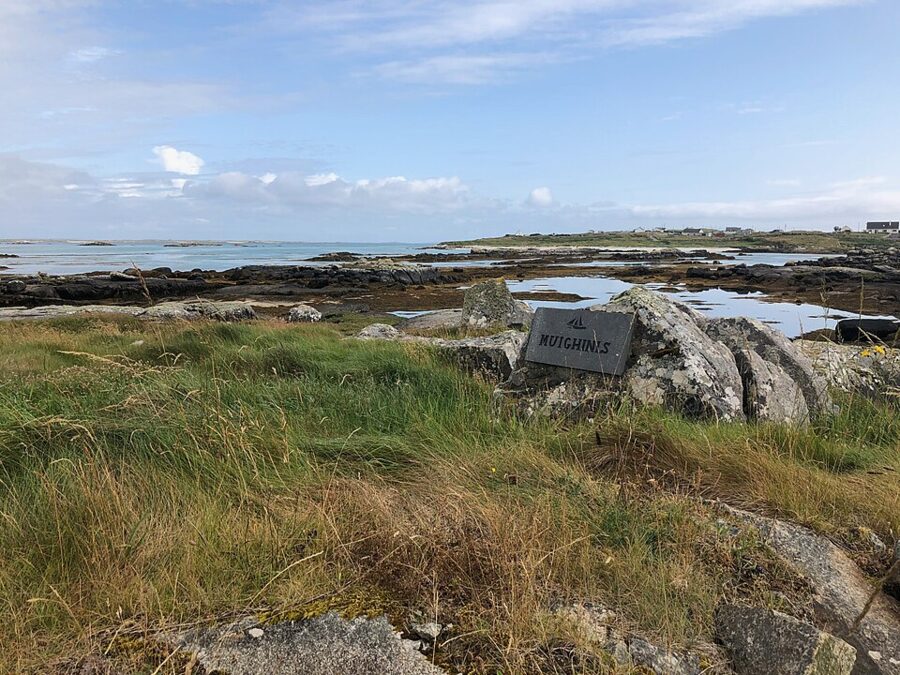
The census town of An Cheathrú Rua had the joint highest share of daily speakers of any town in Ireland in 2022, 69%, level with An Bun Beag in Donegal. In practice the queue in the shop, the talk on the pier, the shouting at the under-12s football and the notices on the church door are in Irish, and English arrives when someone turns to you.
The same goes for the islands, Ros Muc and the townlands around Carna. In An Spidéal it is closer to half and half; in Bearna you will hear it mostly in the school yard.
The districts, east to west
Bearna and Na Forbacha
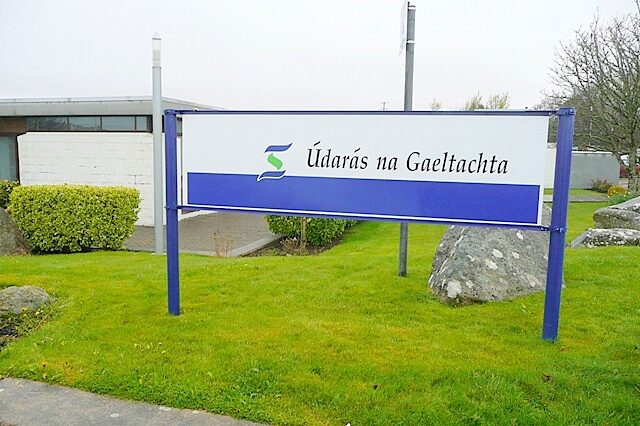
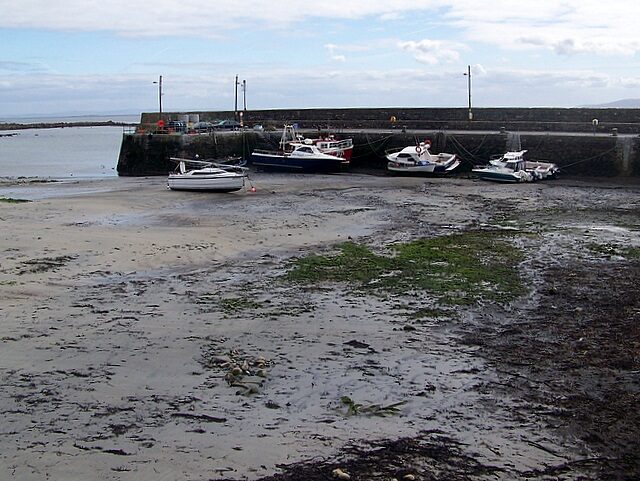
Bearna is officially Bearna in both languages, a village of 2,336 people in 2022 that has become a suburb of the city 7 km away. Its quay is by Alexander Nimmo, the engineer behind half the piers on this coast in the 1820s. Na Forbacha, a few kilometres on, is where Údarás na Gaeltachta has its head office, and where, heading west, you pass the first all-Irish school and the first church with Mass only in Irish. There is little here to stop for; the Gaeltacht you came for starts further west.


An Spidéal (Spiddal)
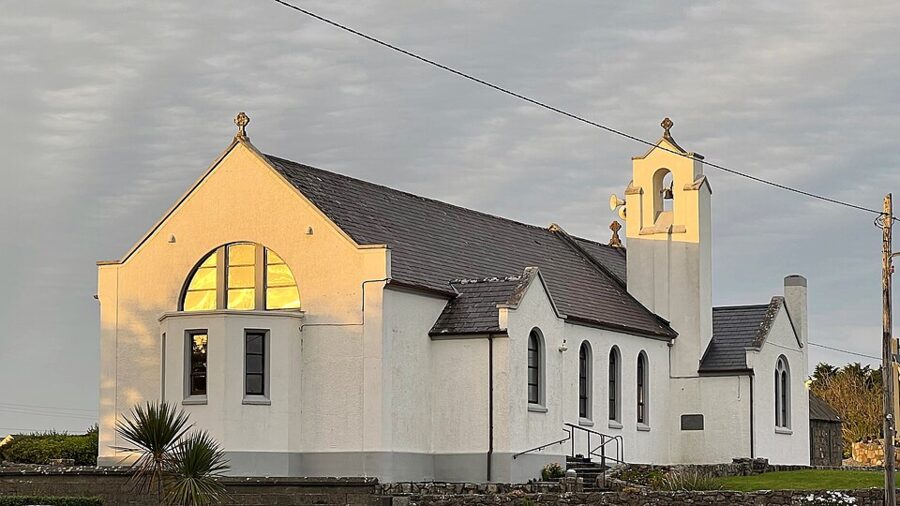
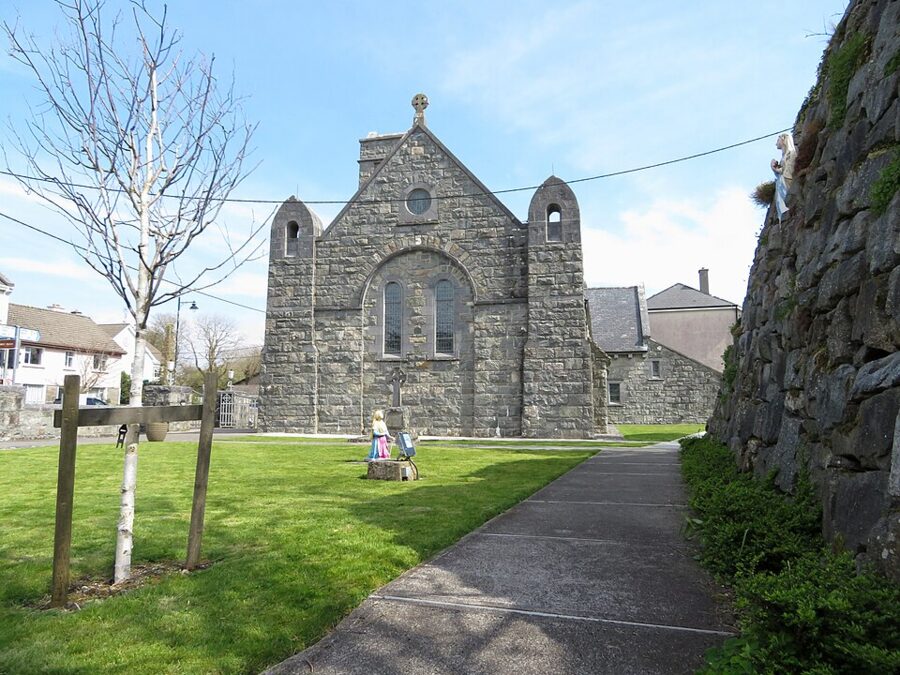
An Spidéal means the hospital, from ospidéal, after a medieval leper hospital in An Spidéal Thiar. Under the 2004 Placenames Order, Spiddal has no legal standing as a name at all. The village is 19 km from Galway on the R336, with a pier, a sandy beach at An Trá Mhór, the church of St Enda (Cill Éinde, 1904) and the ruin of an older chapel from 1776 nearby.
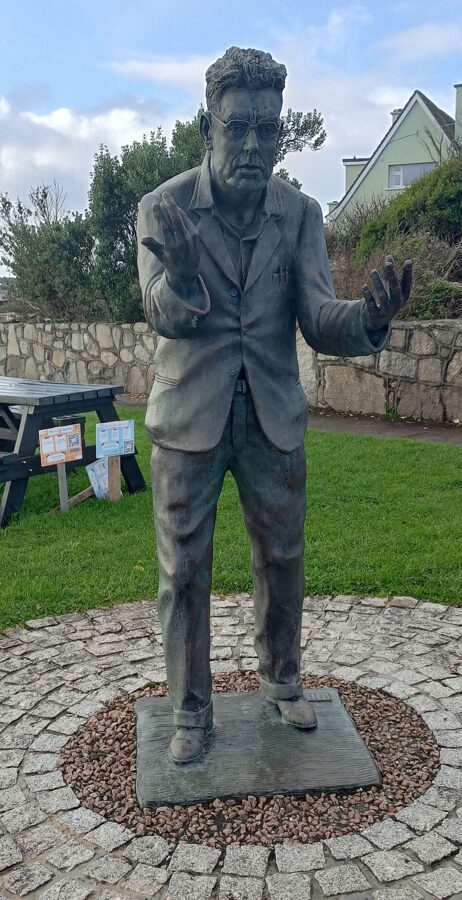
It is the busiest and best-supplied village on the coast, and the one where Irish and English sit most evenly. I would stop for the beach and the statue of Ó Cadhain, and keep the listening for further west.



Indreabhán and Baile na hAbhann
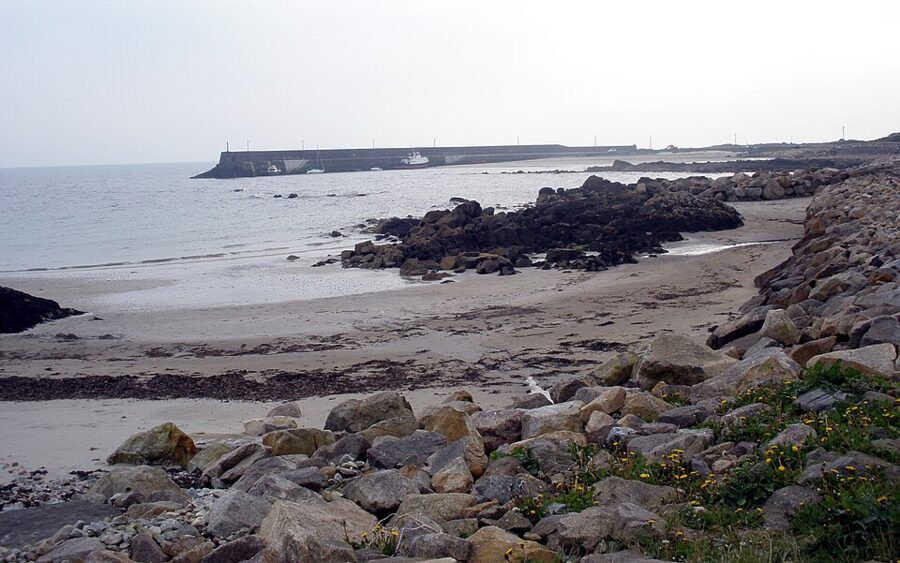
Indreabhán is usually explained as the mouth of the river, and Baile na hAbhann, a few kilometres west, as the town of the river. Between them is the heart of Cois Fharraige, with an electoral division, Sailearna, where seven in ten Irish speakers use it daily. TG4, the Irish-language television channel, has its headquarters at Baile na hAbhann, and its soap Ros na Rún is filmed near An Spidéal.
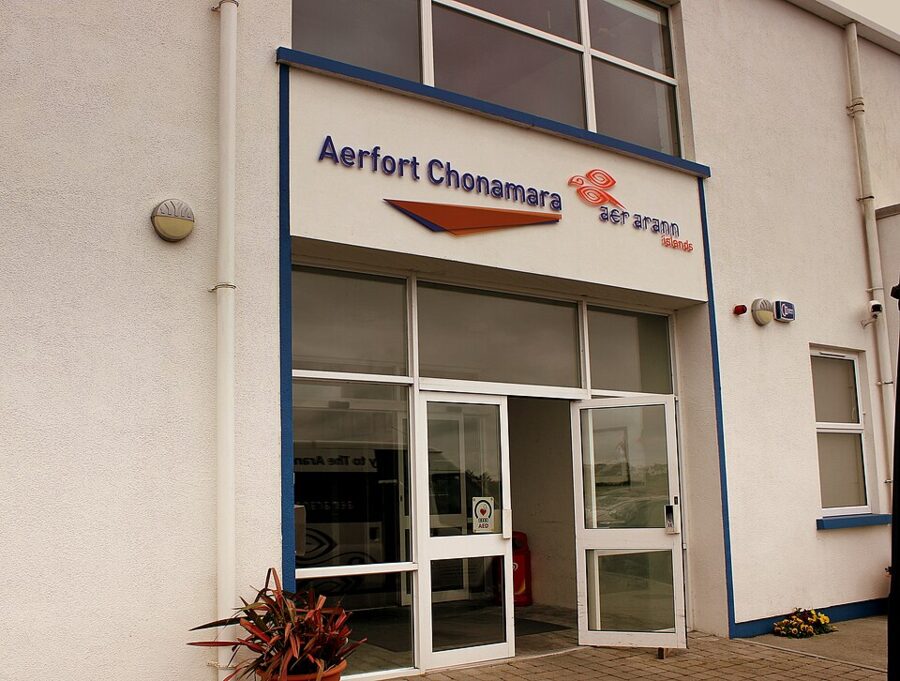
Connemara Airport is at Indreabhán, with small planes to the three Aran Islands in under ten minutes.


Ros an Mhíl and Casla
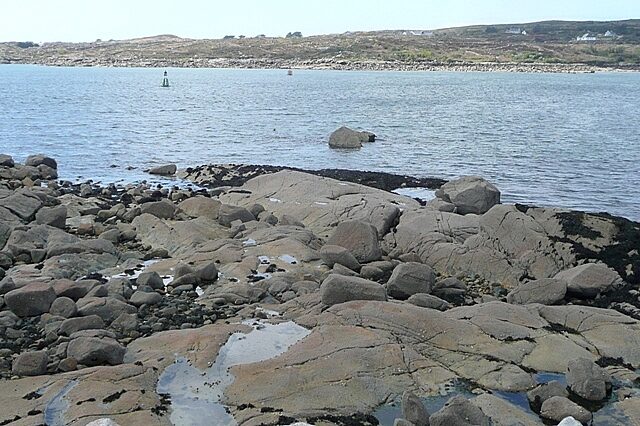
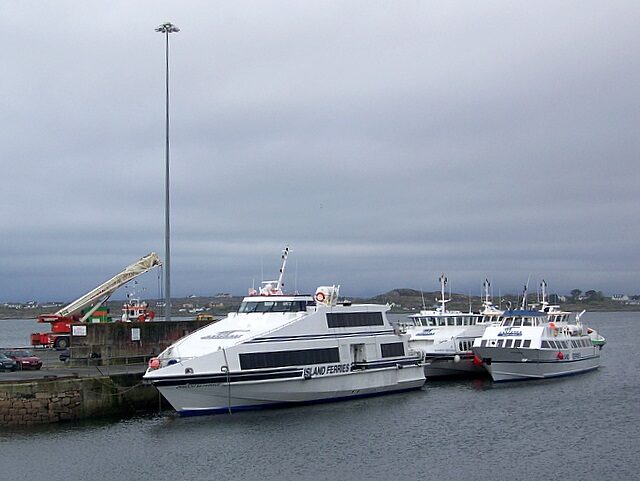
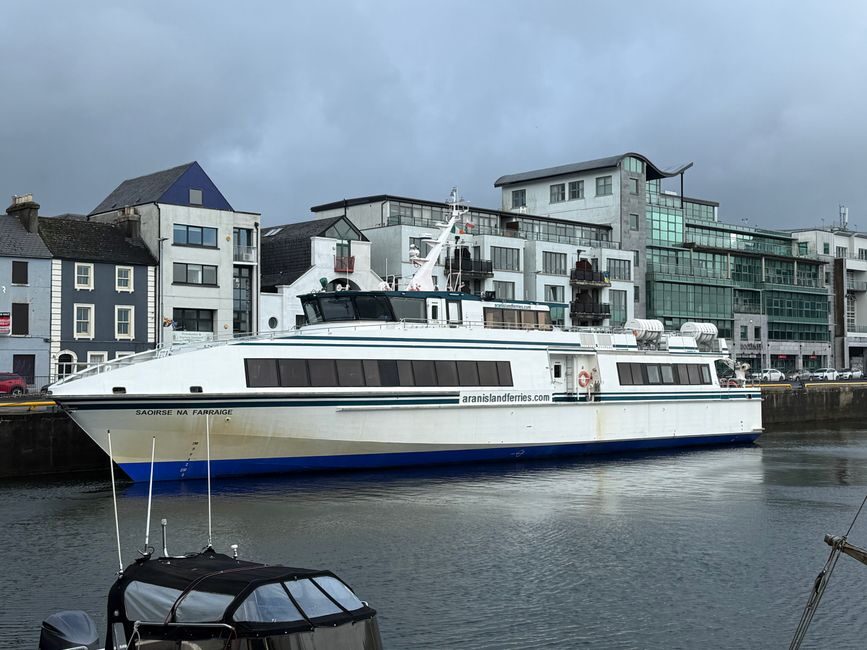
Ros an Mhíl is given as the headland of the whale, or of the sea monster, and its harbour is the main port for the Aran Islands. The Aran ferry sails from here all year, about 40 minutes to Inis Mór, and parking at the pier costs €8 for 24 hours.
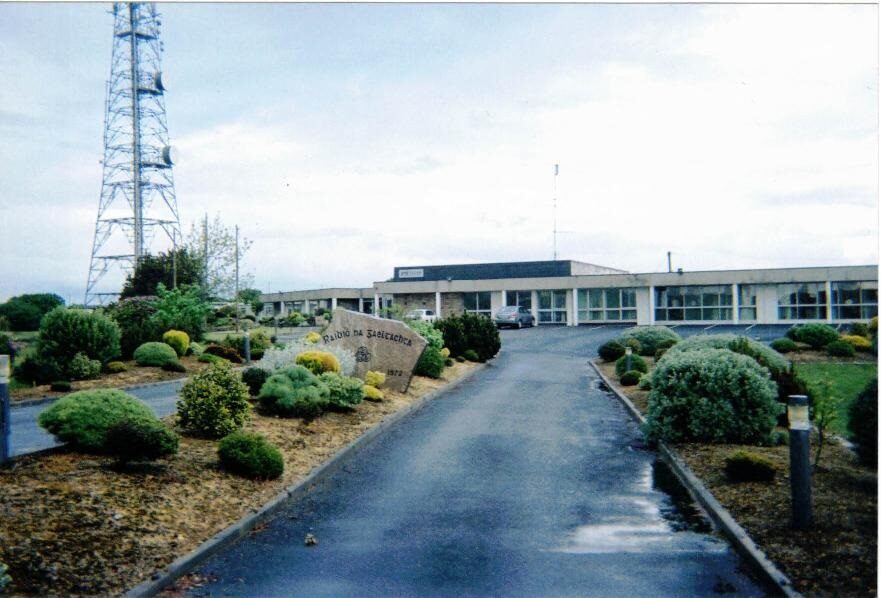
Casla is said to mean a creek or narrow inlet. RTÉ Raidió na Gaeltachta has had its headquarters here since 1972.


An Cheathrú Rua (Carraroe)
An Cheathrú Rua, the red quarter, is the biggest village in the Irish-speaking heartland, spread over a peninsula between Cuan an Fhir Mhóir and Cuan Chasla, 48 km from Galway. University of Galway has had a Gaeltacht centre here, Áras Mháirtín Uí Chadhain, since 1977. Currach races are rowed on Loch an Mhuilinn, and the hookers moor at Sruthán pier.
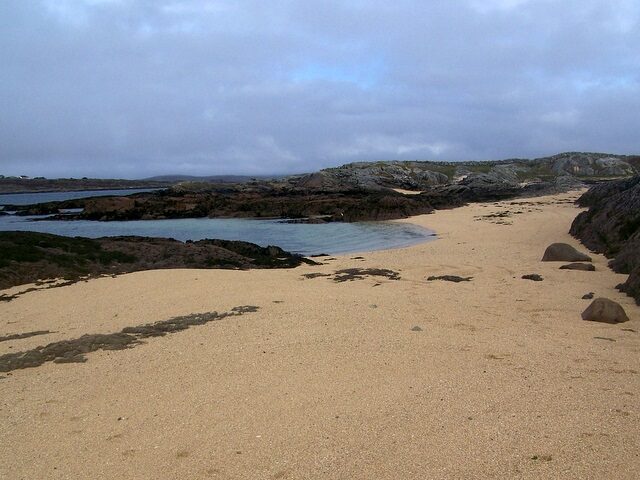
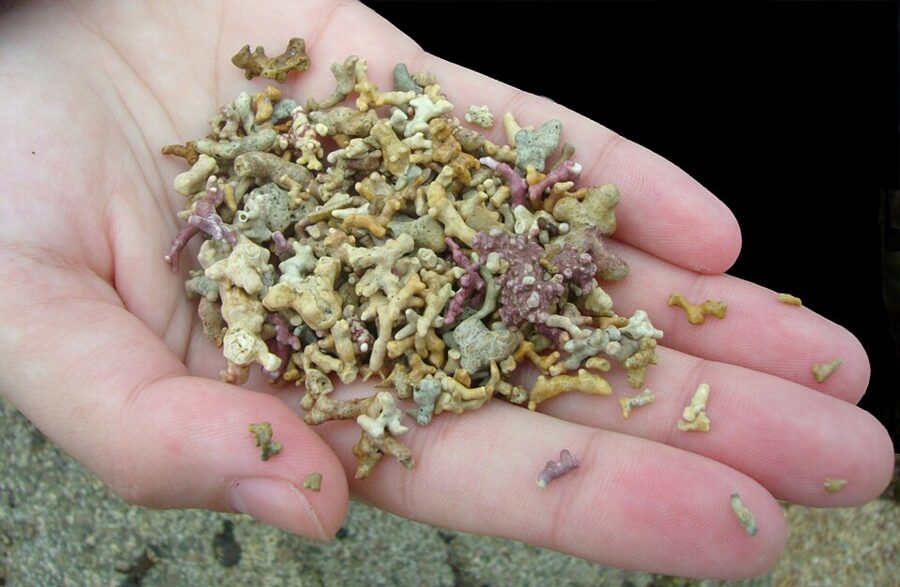
The thing to stop for is Trá an Dóilín, the strand known in English as the Coral Strand. It is made of maerl, the bleached remains of a red seaweed that grows in the bay, and a beach like it is rare enough to matter to conservationists. Walk on it barefoot once and you will not mistake it for sand again.


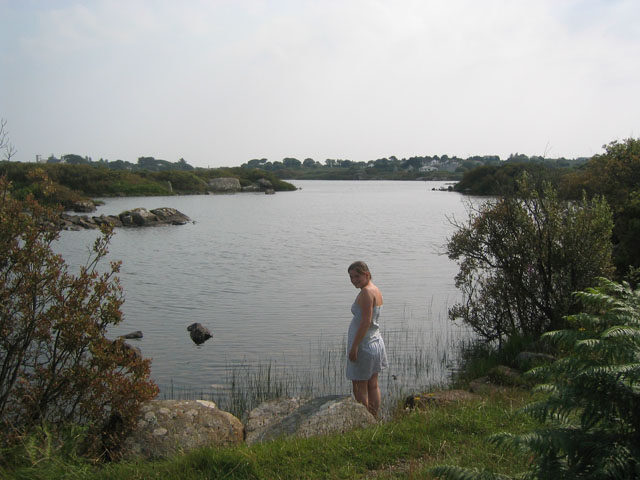

Ceantar na nOileán
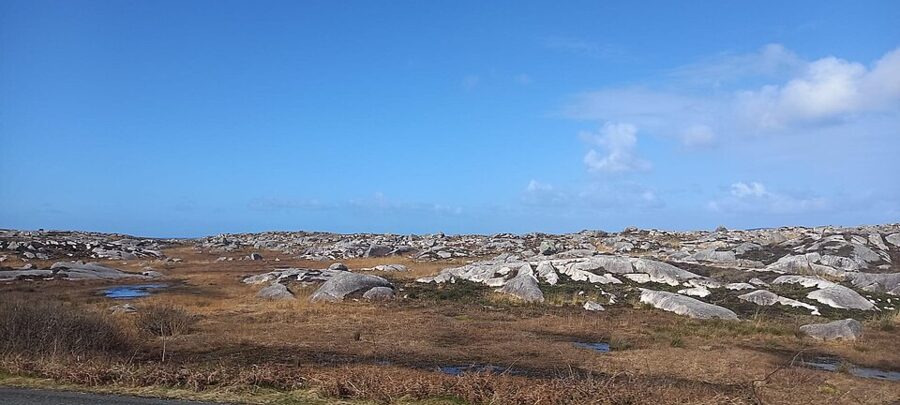
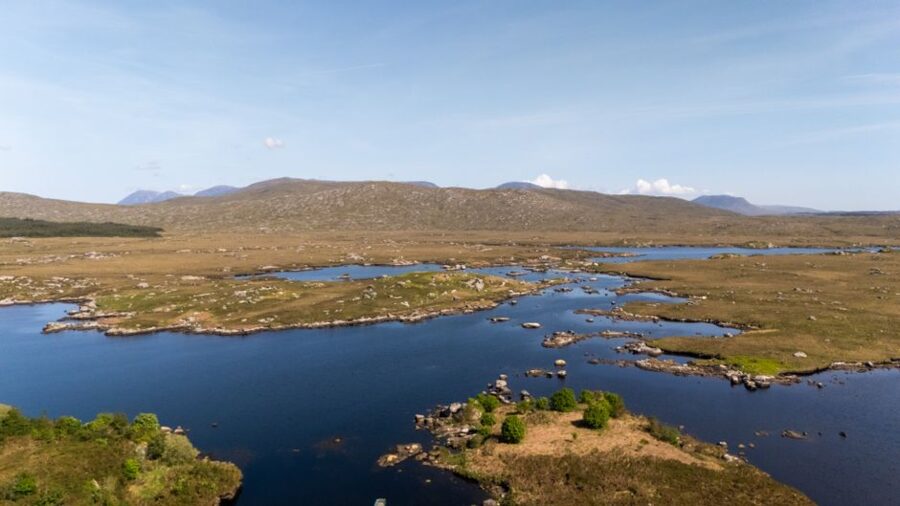
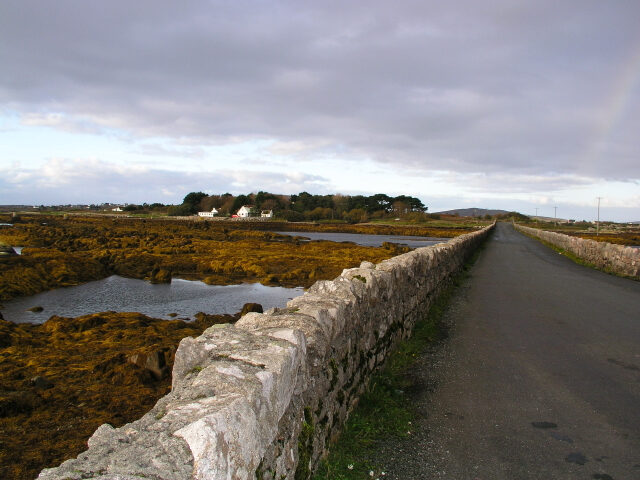
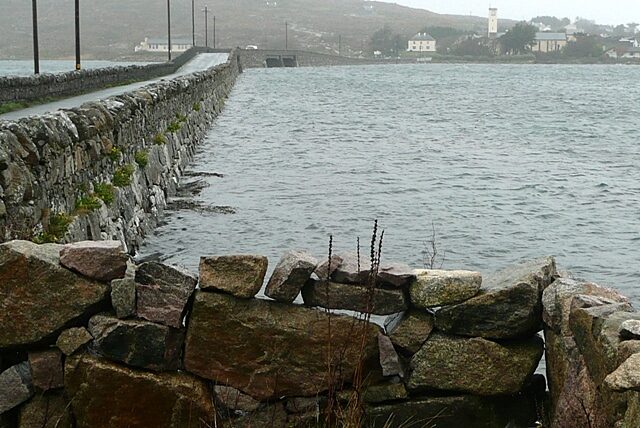
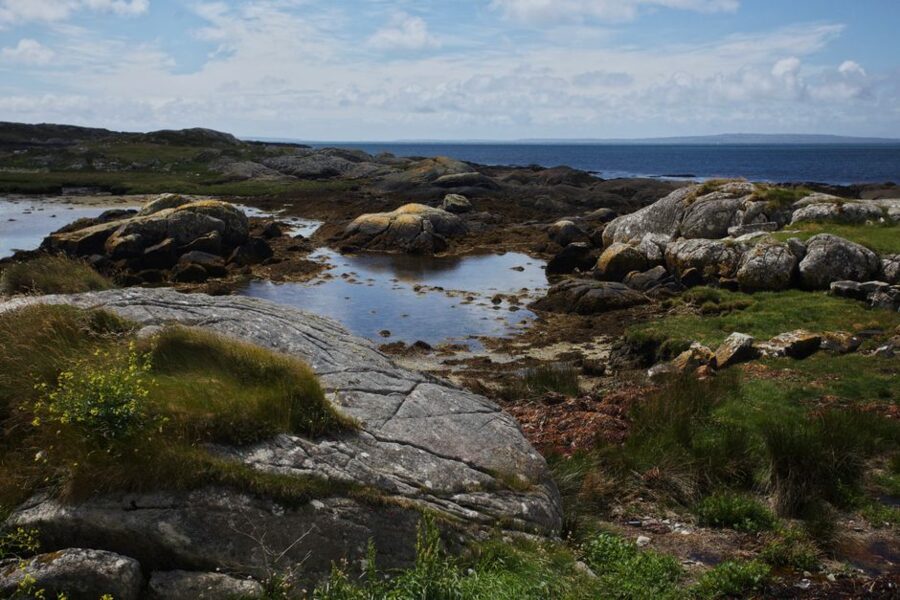
The island district is three main islands, Leitir Móir, Garmna and Leitir Mealláin, with Eanach Mheáin and smaller islands around them, joined to the mainland and to each other by causeways and bridges on the R374. Ceantar na nOileán had the highest share of Irish speakers of any planning area in Ireland in 2022, 95%. The land is poor and broken, and many of the fields were made by hand from seaweed, sand and soil scraped from between the rocks.
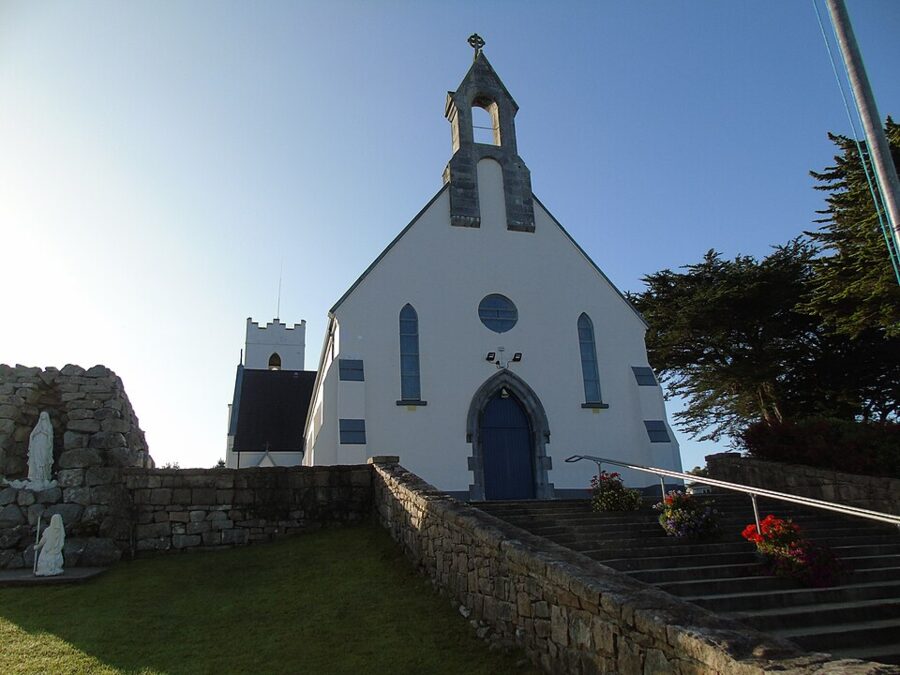
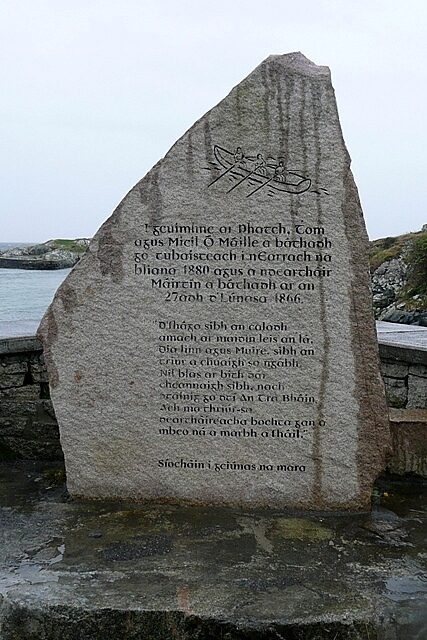
Leitir Móir, the great rough hillside, is the first island. The sean-nós singer Darach Ó Catháin was born in the district in 1922; his family was among the Connemara families resettled in County Meath in 1935 to found the Ráth Cairn Gaeltacht. Garmna has the only church on the island, beside the R374, with a holy well behind it, Tobar na Seacht Scáil. The song Amhrán na Trá Báine, a lament for three brothers lost from a currach off Trá Bháin on Garmna, was made by their sister, Bríd Ní Mháille, in South Boston, and is still sung here.
Leitir Mealláin, at the end of the road, is usually explained as Meallán’s hillside. Its church stands on the highest ground in the middle of the island. Near Golam Head, off the south of the district, a well-kept signal tower survives from a chain built along this coast in 1804–06 to watch for a French invasion.




Ros Muc and Pearse’s Cottage
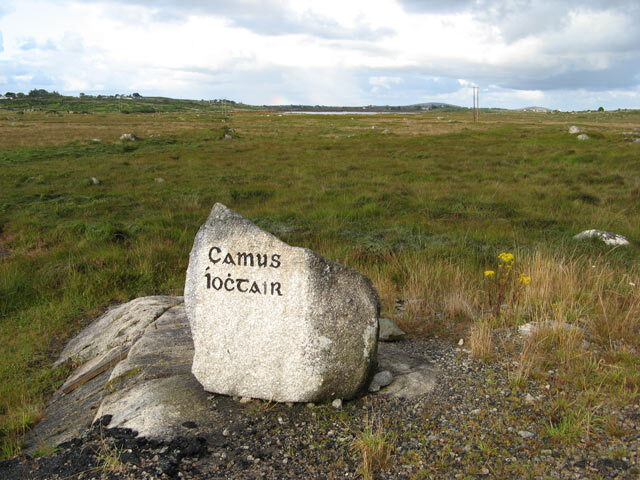
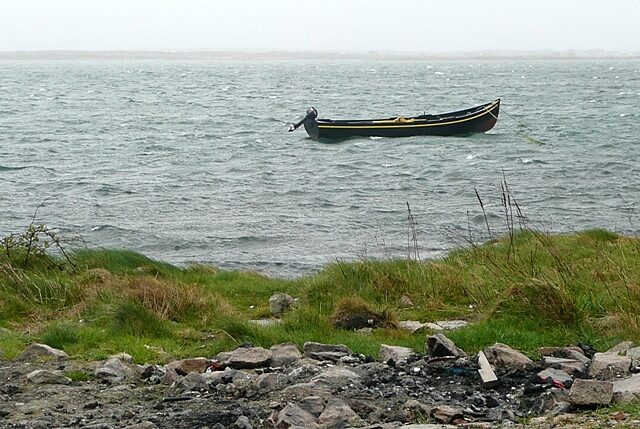
Ros Muc is usually given as the headland of the rounded hills, muc being an old word for a hump of ground as well as a pig. Its electoral division, An Turlach, had 70% of its Irish speakers using the language daily in 2022. The writer Pádraic Ó Conaire set stories here and the poet Caitlín Maude grew up at Cill Bhriocáin.
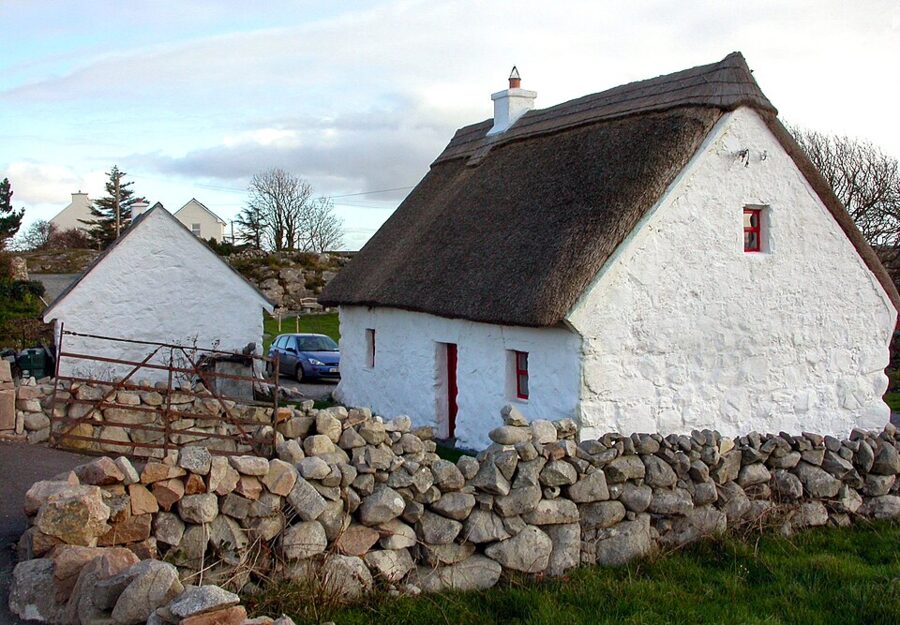
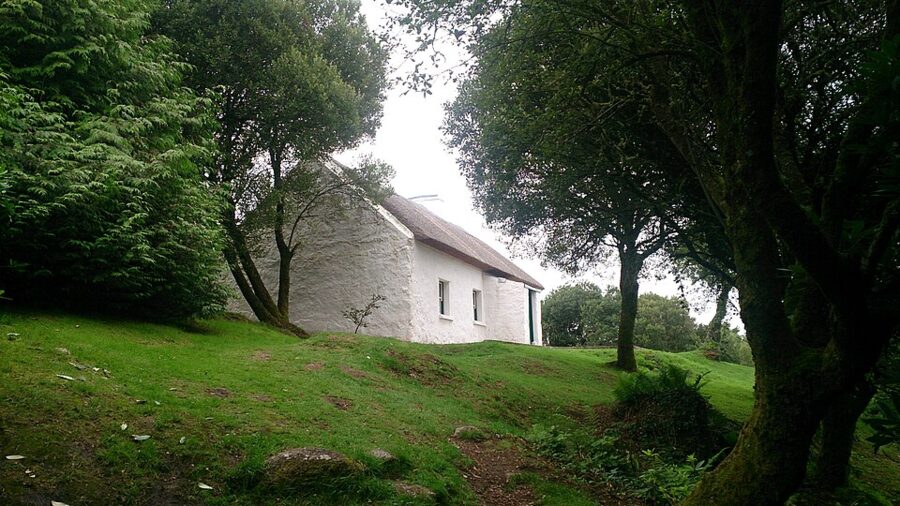
Patrick Pearse first came in April 1903 as an examiner for Conradh na Gaeilge, bought a site in 1905 and had a thatched cottage built above Loch Eiliúrach by 1909. He wrote the graveside oration for O’Donovan Rossa in the cottage in 1915. Crown forces set it on fire during the War of Independence; the stone walls held, and it is now a national monument.
The Office of Public Works has built a visitor centre beside it, Ionad Cultúrtha an Phiarsaigh, and you walk from there across the bog to the cottage. It opens daily, 09:45–18:00 from April to October and 09:30–16:00 in winter, with last admission 45 minutes before closing. Admission is €5 for adults, €4 for seniors, €3 for children and students and €13 for a family, and an hour to an hour and a half covers it. It is the one paid sight in the Gaeltacht I would not skip.


Cill Chiaráin
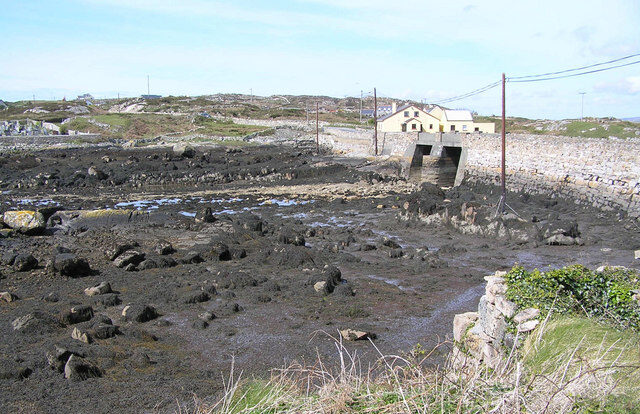
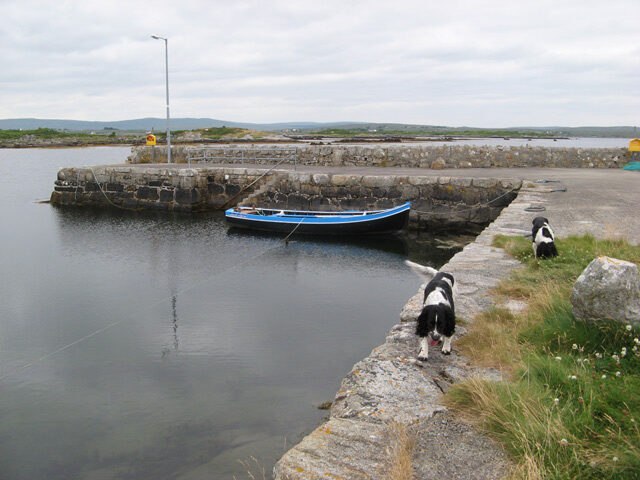
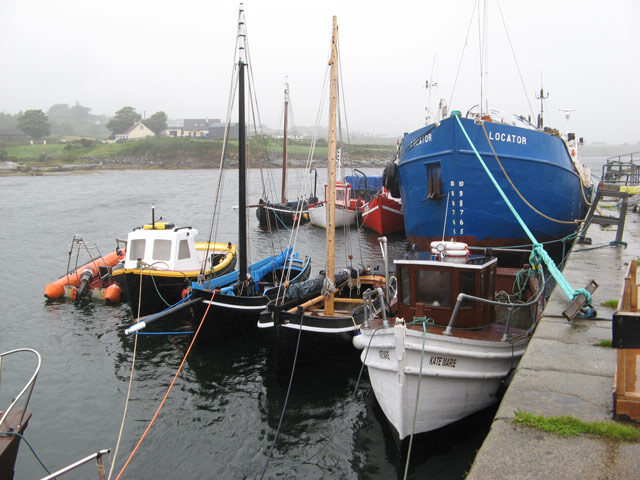
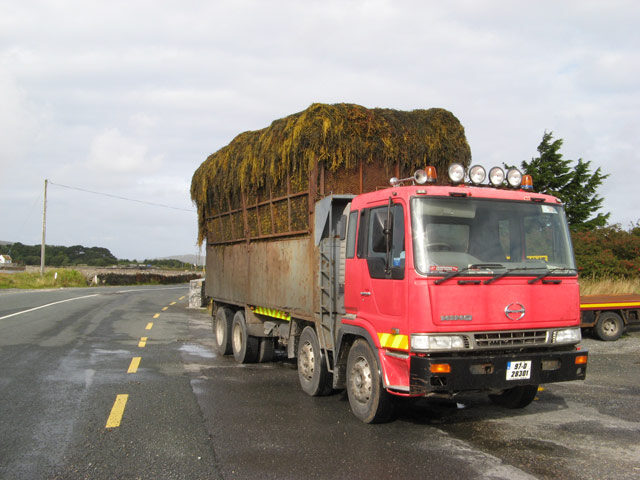
Cill Chiaráin is the church of St Ciarán, and a pattern is held at the saint’s well on his feast day. The village is a working one, with a quay where hookers tie up among the fishing boats and a seaweed factory at the edge of the bay. The R340 runs through it on the way round to Carna, and the views across Cuan Chill Chiaráin to the islands are as good as any on the coast.


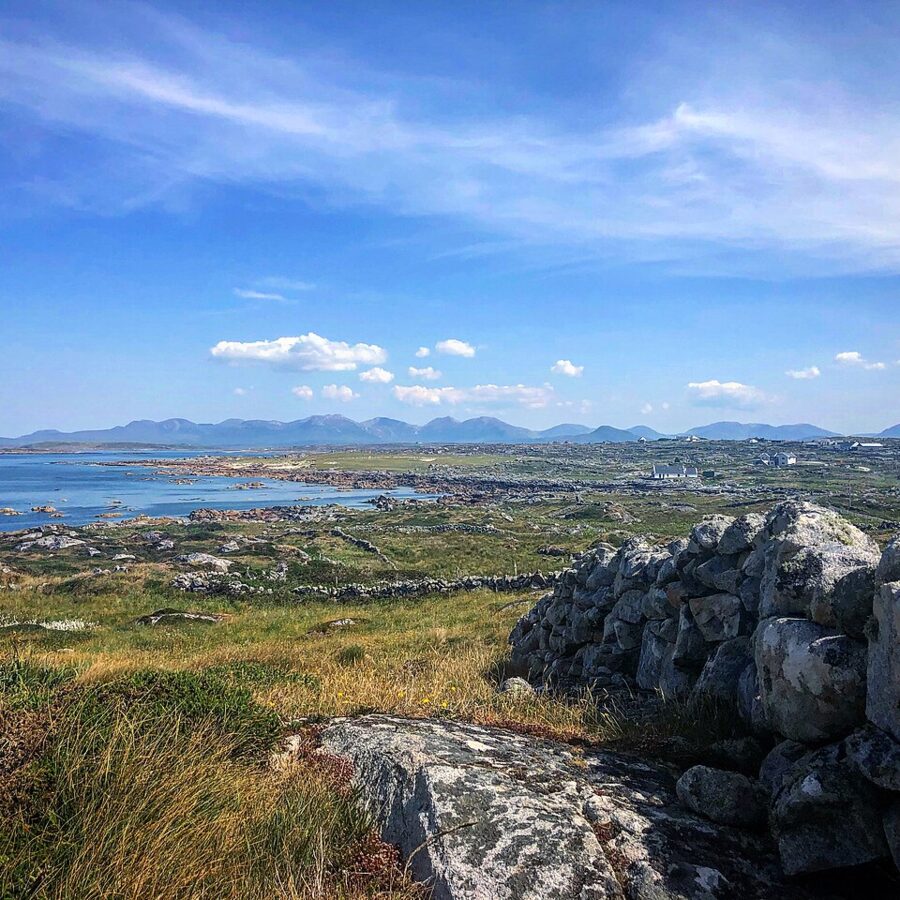
Carna and Iorras Aithneach
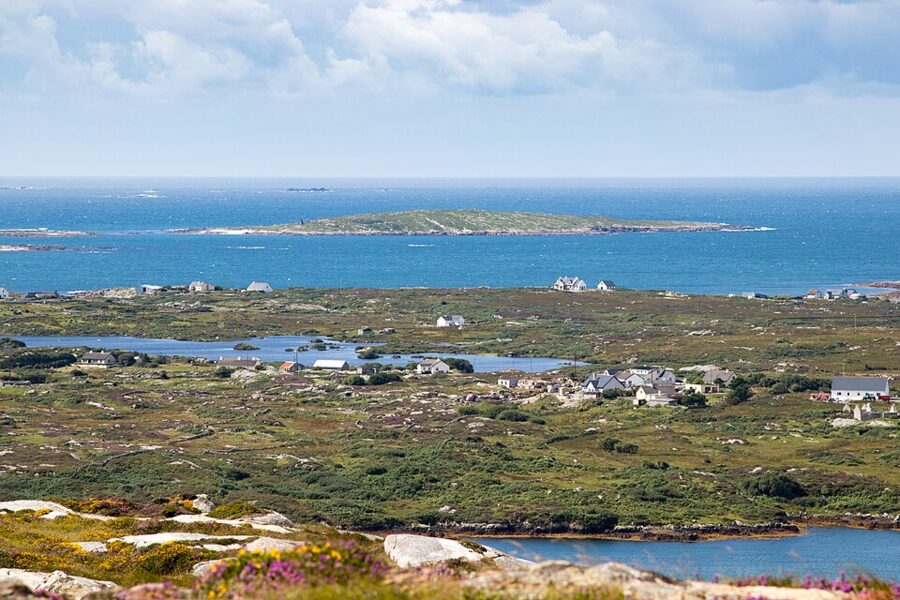
Carna is the centre of Iorras Aithneach, the peninsula at the western end of the Gaeltacht, 74 km from Galway. The Irish Folklore Commission’s archivist Seán Ó Súilleabháin recorded the view, widely shared by 1935, that the parish of Carna held more unrecorded folktales than anywhere else in western Europe. The storyteller Éamon a Búrc lived here, and the singers Joe Heaney (Seosamh Ó hÉanaí) and Sorcha Ní Ghuairim were born here.
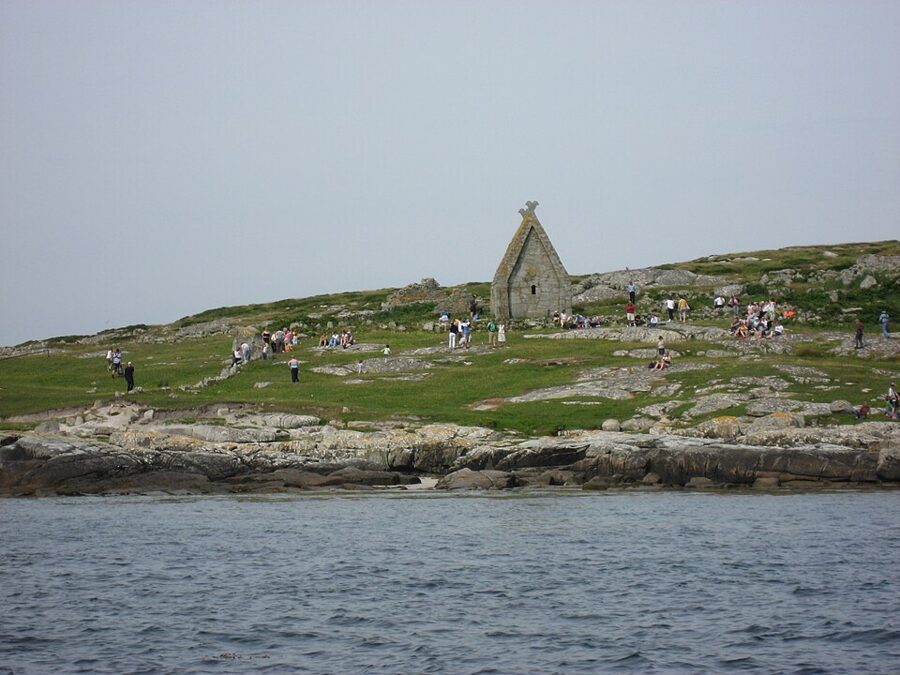
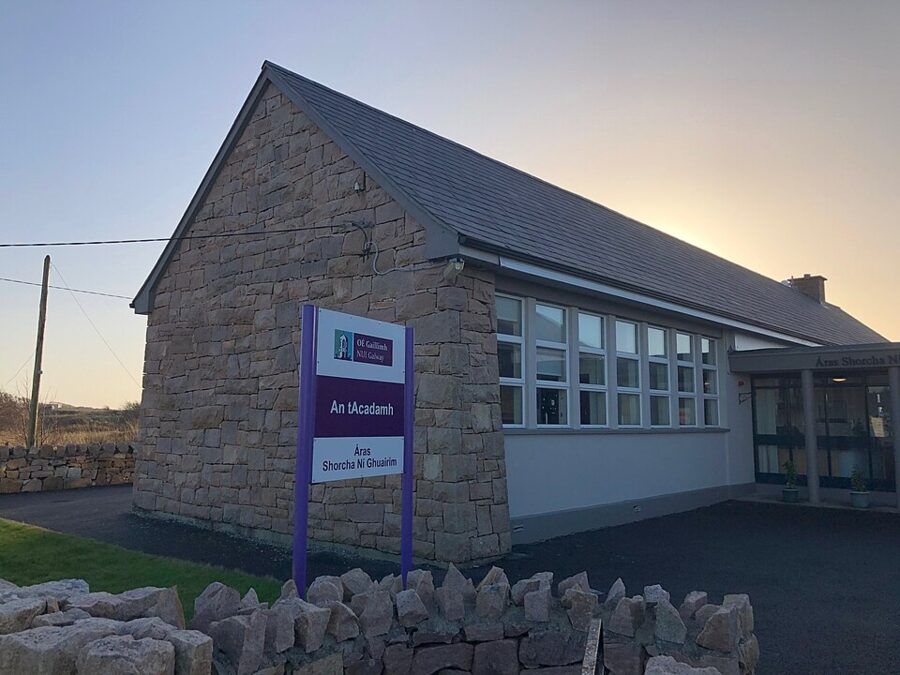
Off Mace Head lies Oileán Mhic Dara, St MacDara’s island, with its small stone church, one of the earliest in the country. On 16 July, the saint’s day, boats carry pilgrims out and the hooker crews traditionally dip their sails as they pass. University of Galway runs a Gaeltacht centre here, Áras Shorcha Ní Ghuairim, and an atmospheric research station on Mace Head.





The edges: Roundstone and Aran
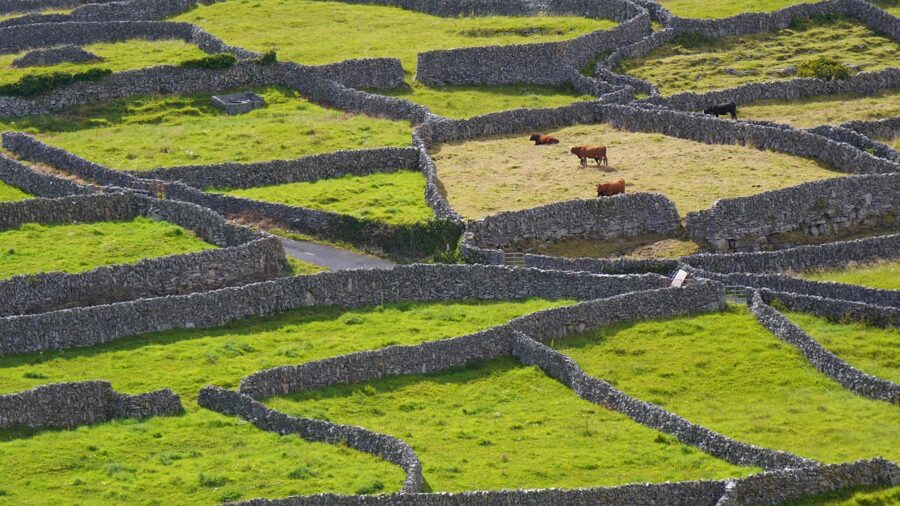
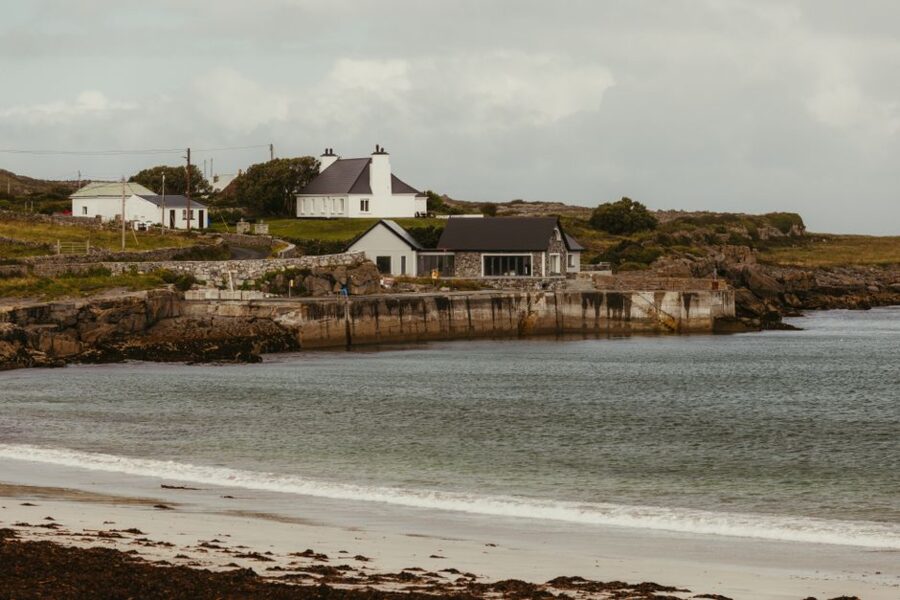
West of Carna the Gaeltacht thins out. The planning area reaches round Bertraghboy Bay to Iorras Beag and Inis Ní, but Roundstone is a village where Irish is a memory more than a daily language. The Aran Islands, out in the bay, are a Gaeltacht of their own, with the highest daily share of all in Galway: 74% of Irish speakers in 2022. From this coast you reach them by the boat from Ros an Mhíl or the plane from Indreabhán.
Radio, television and the summer colleges
The institutions are why the Gaeltacht has jobs as well as a language. Raidió na Gaeltachta came out of the Gaeltacht civil rights movement of the late 1960s, whose pirate station of 1970 forced the government’s hand. It started with seven staff and two hours a day, and it now broadcasts on FM and online from Casla, with studios in Donegal and Kerry. On a long drive I leave it on even when I miss half of it.

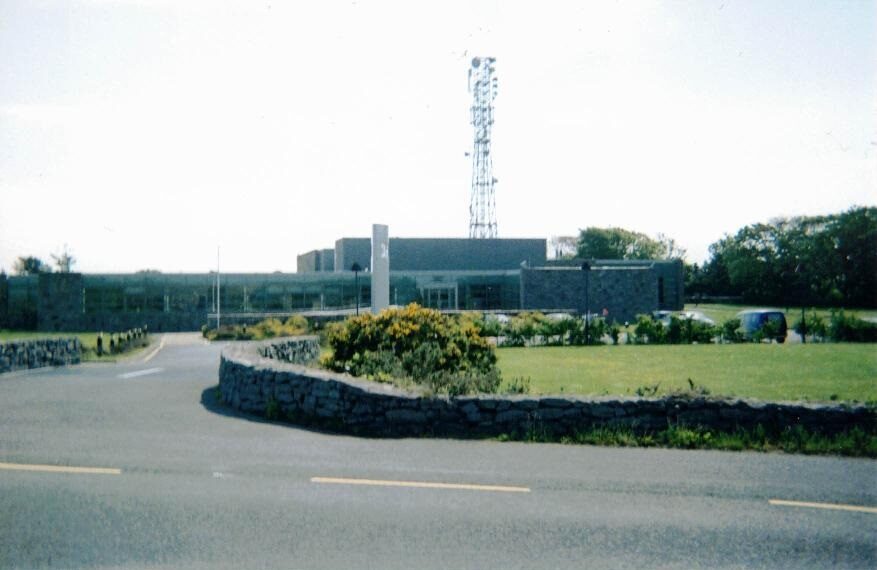
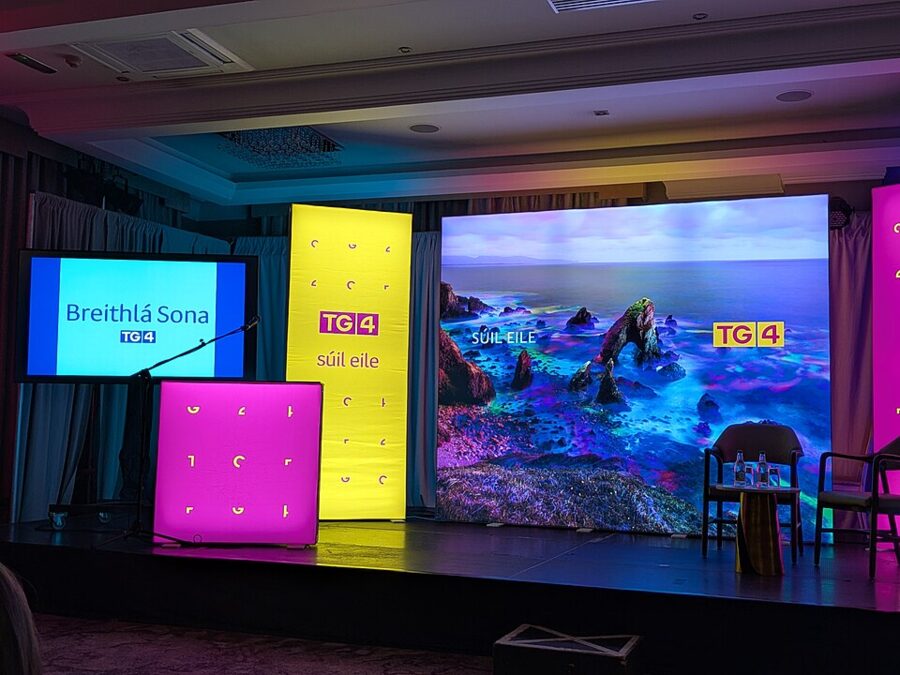
TG4, at Baile na hAbhann since 1996, followed a campaign that ran its own pirate television station for a few days in 1987. Many of its Irish-language programmes, Ros na Rún among them, carry English subtitles, and its biggest audiences come from sport and from the sean-nós dancing competition at the Oireachtas.

Then there are the colleges. Every summer, teenagers from all over Ireland come for three-week Irish courses, the coláistí samhraidh, and stay with families, where the bean an tí, the woman of the house, feeds them and keeps them speaking Irish at the table. For many coastal households the colleges are a real part of the year’s income. Coláiste Chamuis, with a centre at Ros an Mhíl, Coláiste na bhFiann, long linked with Ros Muc, and Coláiste Cholumba at An Cheathrú Rua are among those running courses on this coast.
In June, July and August expect groups of teenagers on the roads and in the shops, speaking Irish with varying conviction. They fill much of the family accommodation on the coast.
Song, boats and books
Sean-nós and Joe Heaney
Sean-nós, the old style, is unaccompanied singing, heavily ornamented, mostly in Irish, and Connemara is its stronghold. Joe Heaney was born at Aird Thoir, Carna, in 1919 and learned most of his 500-odd songs there before he left for building sites in England in 1949. He sang at the Newport Folk Festival in 1965, settled in New York, and spent his last years teaching at the University of Washington in Seattle, where he died in 1984. His archive is now at University of Galway.
The dance has the same name: sean-nós dancing, a loose solo step close to the floor. Most dancers in the sean-nós competition at Oireachtas na Gaeilge, the Irish-language festival held each autumn in a different town, now dance the Connemara style, and An Spidéal’s Ciarán Ó Con Cheanainn won its singing prize, Corn Uí Riada, in 2008. In 2026 the Oireachtas was in Killarney, where TG4 marked its 30th birthday. In Carna, Féile Joe Éinniú remembers Heaney over the May bank holiday weekend.
Hookers and currachs
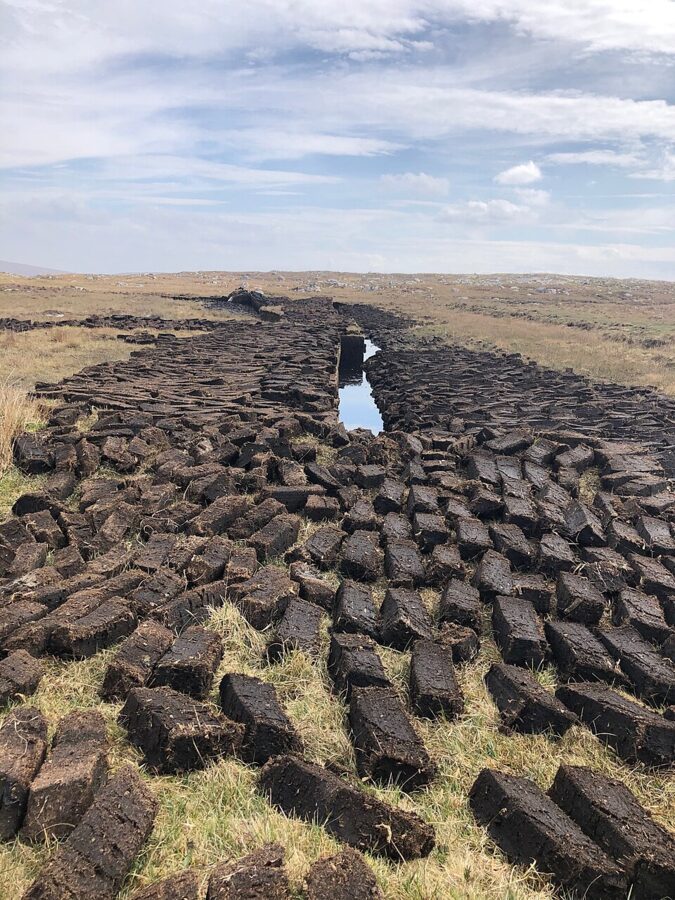
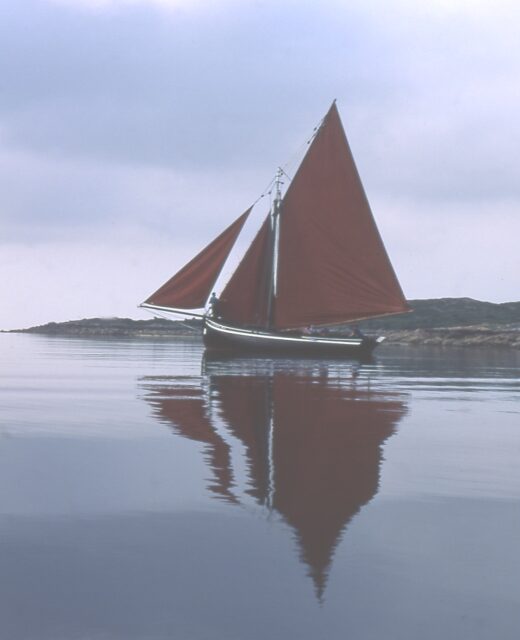
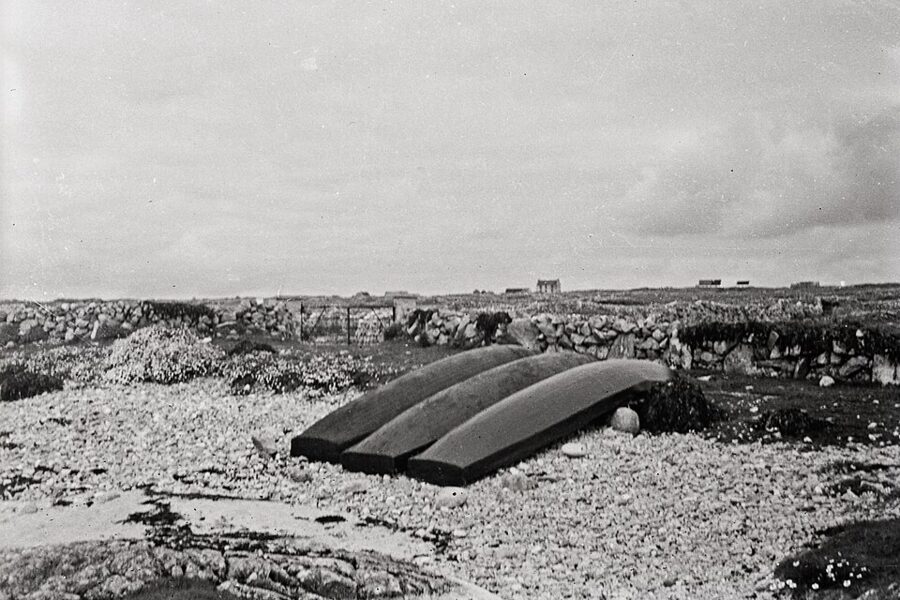
The Galway hooker is the black-hulled, red-sailed working boat of this coast, in four classes from the big bád mór down to the open púcán. Into the 20th century the hookers carried turf from the Connemara bogs to Aran and the Clare shore and brought back limestone to sweeten the acid fields. The currach, a canvas-skinned rowing boat, did the smaller work: fishing, and ferrying people and goods between the islands.
Both now race. The regattas run from mid-June to September, from Ros Muc and Carna to Leitir Móir and Leitir Mealláin, and the dates move each year.



Máirtín Ó Cadhain and Cré na Cille
Máirtín Ó Cadhain was principal of the school at Camas until he was dismissed in 1932 for IRA membership. He was interned during the Second World War and ended up teaching Irish at Trinity College Dublin. His novel Cré na Cille, Graveyard Clay, came out in 1949: it is told entirely by the dead, gossiping and feuding in a Connemara graveyard.
It waited 66 years for an English version and then got two, The Dirty Dust by Alan Titley in 2015 and Graveyard Clay by Liam Mac Con Iomaire and Tim Robinson in 2016. If you read one book before you come, read that one.
The road signs
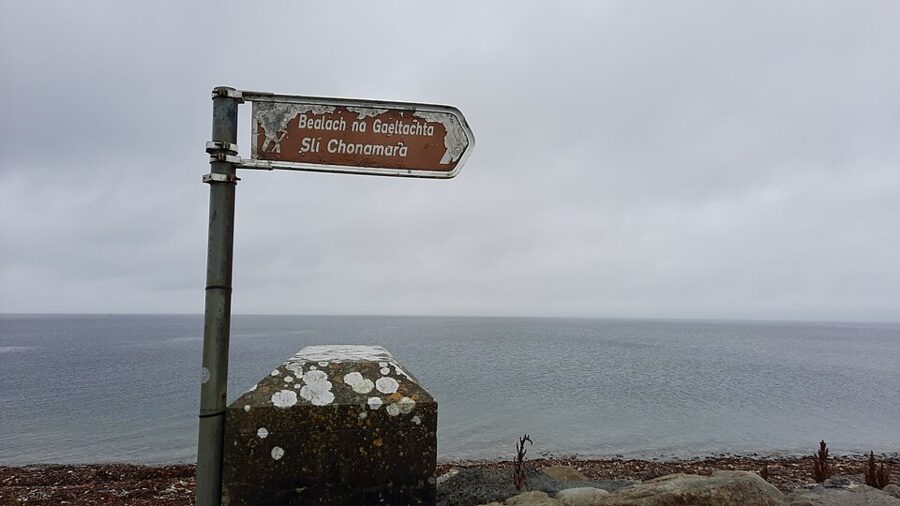
Gaeltacht road signs have been in Irish only since 1970. The Placenames (Ceantair Ghaeltachta) Order 2004, which came into force on 28 March 2005, went further: in the Gaeltacht only the Irish forms have legal force, so Spiddal and Carraroe no longer appear on anything the state publishes. English names still turn up on booking sites and old maps, so learn the Irish name of where you are staying before you set out.
Visiting with Irish, or without it
A few words to start with
Nobody here expects you to speak Irish, and nearly everyone speaks English. But a few words, said without fuss, change the conversation. These are in the Connemara form:
- Dia duit: hello (literally, God to you). The reply is Dia is Muire duit.
- Cén chaoi a bhfuil tú?: how are you? Answer go maith, well.
- Go raibh maith agat: thank you.
- Le do thoil: please.
- Níl mórán Gaeilge agam: I don’t have much Irish.
- Sláinte: cheers. Slán: goodbye.
How to behave
Irish is the language people live in here, not a show. Don’t ask someone to say something in Irish for you. If you start in Irish and run out, switch to English without apology; people will meet you where you are. If you have school Irish, try it in a shop or a pub, slowly, and most people will keep going in Irish if you do.
The best places to hear it are the ordinary ones: Mass at An Cheathrú Rua, the pier at a regatta, a club football match, the counter of a village shop. Turn on Raidió na Gaeltachta in the car and you will hear the same voices that are in the shop. TG4’s Ros na Rún, with subtitles, is an easy way to start tuning your ear.
Courses for adults
University of Galway’s Irish-language academy runs week-long intensive courses at An Cheathrú Rua for intermediate and advanced learners, and a beginners’ week at Carna. Both run from 26 to 30 April 2027, with tuition at €350 and lodging with Irish-speaking families at €250 for a shared room or €450 for a single, paid to the bean an tí. Places have to be booked and paid for by 19 March 2027.
For longer, the same academy’s three-week summer course at An Cheathrú Rua runs from 30 May to 20 June 2027, at levels from complete beginner up, with host-family lodging, daily transport, trips to An Spidéal and the Aran Islands and a day at Kylemore Abbey. It costs €3,760 with a shared room or €4,285 with a single.
Getting around, staying and when to come
By bus and by road
Bus Éireann route 424 runs from Galway bus station along the R336 through Bearna, An Spidéal, Indreabhán, Ros an Mhíl and Casla to An Cheathrú Rua, seven days a week, roughly hourly through the day. It takes about 35 minutes to An Spidéal and a little over an hour to An Cheathrú Rua. Most buses turn there; a few a day go on over the causeways to Leitir Mealláin, about an hour and a half from Galway.
Ros Muc, Cill Chiaráin and Carna are harder. Monday to Saturday one bus leaves Carna for Galway at 06:50 and one leaves Galway at 17:15 for Carna by Ros Muc and Cill Chiaráin, about two hours each way; otherwise you need a car. The R336 is the coast road, the R374 crosses the islands, and the R340 takes you round by Ros Muc, Cill Chiaráin and Carna. Allow an hour and a half from Galway to Carna by car, because no one drives these roads fast.
Where to stay
Beds on this coast are mostly B&Bs, self-catering houses and the family houses that take college students in summer, with a few hotels. Staying in An Cheathrú Rua or on the islands puts you inside the Irish-speaking day; An Spidéal is easier for food and for buses to the city. In July and August book early, because the colleges take so much of the family accommodation.
When to come
May and September are my pick: long days, open roads, no colleges, and Féile Joe Éinniú in Carna in May. July and early August bring the regattas, the feast of MacDara and the busiest roads. Winter is wet, but the Gaeltacht is most itself then, with the January winter school in Cois Fharraige.
Whichever month, drive out past that first sign at Cnoc na Cathrach and keep going until the talk in the shop changes. On the 424 that is about an hour, somewhere around Casla, and by the time the bus crosses the causeway to Leitir Mealláin the last English on board is usually yours.